

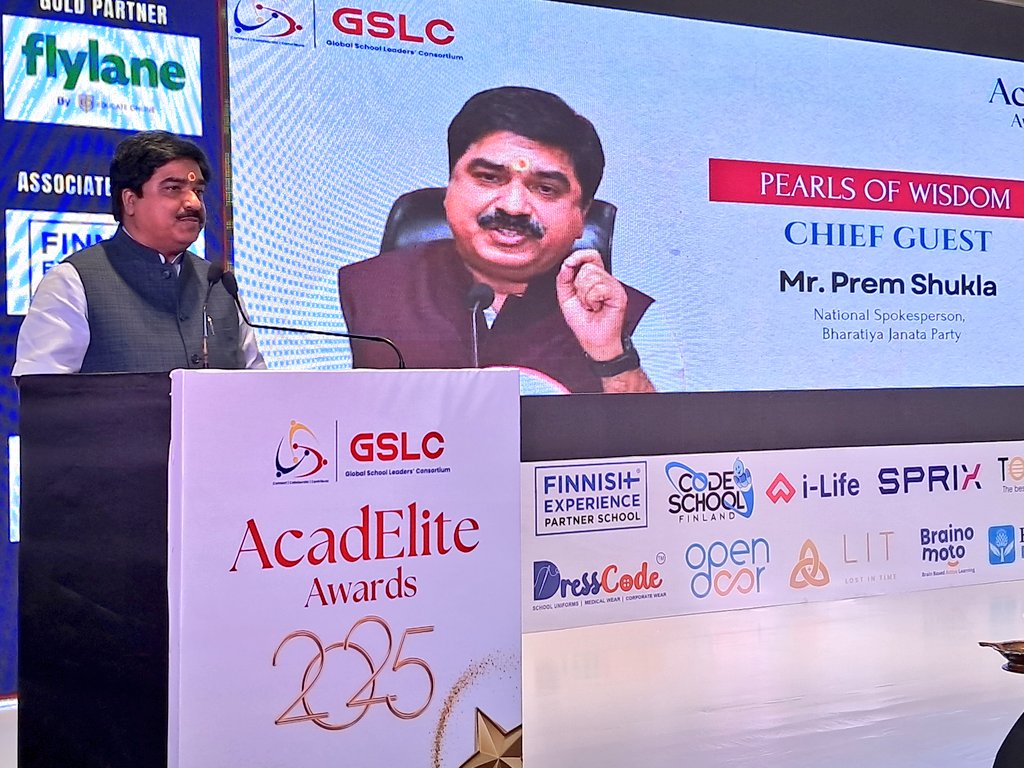
New Delhi, a hub of intellectual and cultural exchange, has long been a focal point for educational advancements in India. the city hosted a significant event, AcadElite awards with Principals’ Conclave on organized by the GSLC in association with Media Today. This first-of-its-kind initiative for principals across the nation to deliberate on transformative strategies for education. event serves as a recent benchmark for such gatherings in New Delhi, and similar conclaves are anticipated in 2025 given the city’s active role in educational reform.
Overview of Principals’ Conclave was a landmark event aimed at enhancing the schools. The conclave inaugurated by Shri Prem Shukla National spokespersion BJP with Ved Vidya Martand Brahmachari Dr. Girish Chandra Verma, Chairman Maharishi educational institutions, who delivered a keynote address emphasizing the pivotal role of principals in improving education through innovative management practices. He urged participants to adopt forward-thinking strategies to elevate the performance.
Addressing the emotional and psychological needs of students.
Safety Measures: Ensuring secure learning environments.
Financial Management and Procurement: Optimizing resources for sustainable operations.
Distinguished speakers from many organizations.Open forums facilitated collaborative problem-solving, allowing principals to share challenges and develop solutions tailored to the unique needs of students. The event equipped participants with strategies to foster conducive learning environments.
Principals’ Conclave focused specifically on education, it reflects a broader trend of educational conclaves in New Delhi that bring together school leaders to address pressing challenges and opportunities. In 2025, similar events are expected to continue, driven by the need to align with the National Education Policy (NEP) 2020 and integrate emerging technologies like artificial intelligence (AI), virtual reality (VR), and data analytics into education. For instance, the Digital Bharat Education Conclave 2025, highlights the growing emphasis on digital transformation in education, and New Delhi is likely to host comparable gatherings given its status as a policy and education hub.
Although focused on higher education, it underscores the region’s role in hosting transformative educational forums. Such events focus on innovation, leadership, and policy implementation.
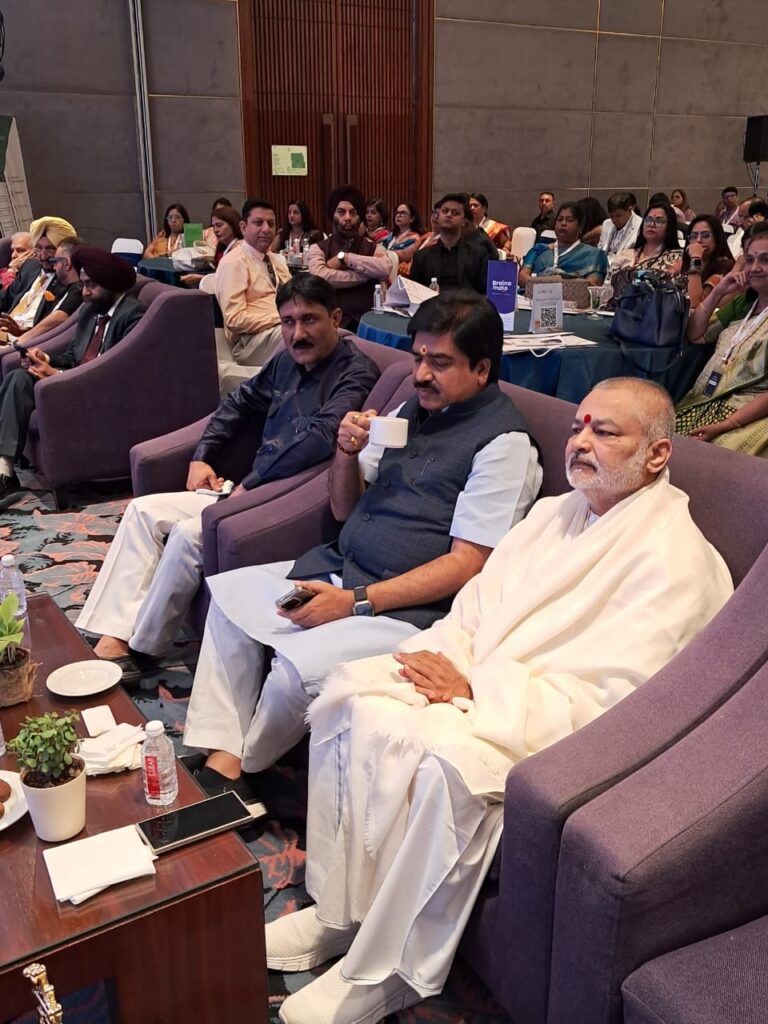
Technology in Education: With AI and digital tools reshaping classrooms, sessions might cover personalized learning, smart content creation, and ethical considerations of technology us. Conclave emphasized student well-being, a topic likely to remain central as schools address post-pandemic challenges and rising mental health concerns.
Leadership and Resource Management: Principals are increasingly seen as visionary leaders. Discussions could focus on financial sustainability, staff training, and creating inclusive learning environments,
Sustainability and Indian Knowledge Systems (IKS): Aligning with global Sustainable Development Goals (SDGs) and integrating traditional Indian knowledge into modern curricula.
Why New Delhi?
New Delhi’s selection as a venue for such conclaves is strategic. As India’s capital, it hosts key educational bodies like the Ministry of Education, CBSE, and NCERT, making it an ideal location for policymakers, educators, and thought leaders to converge. The city’s infrastructure, including venues supports large-scale events. Additionally, New Delhi’s diverse educational ecosystem, encompassing public, private, and schools, provides a rich context for discussing inclusive education.
Expected Impact
A Principals’ Education Conclave in New Delhi in 2025 would likely have a ripple effect on India’s education system. By equipping principals with innovative tools and strategies, such events empower them to drive change at the grassroots level. for example, enabled principals to enhance resource management and student outcomes in schools, a model that could be scaled to other contexts. Networking opportunities at such conclaves also foster collaboration, enabling principals to share best practices and address common challenges.
Moreover, with India’s education sector at a crossroads—balancing tradition with modernization—conclaves provide a platform to align local practices with global standards. AI is creating jobs rather than displacing them, suggesting that educators must prepare students for a dynamic workforce.
A principals’ conclave could bridge this gap by focusing on skill development and employability.
GSLC’s Founder Director Pankaj Sharma thanked all the principals and speakers who attended the program. Media Today’s Consulting Editor Ajay Pratap Singh, who was also present at the program, highlighted the importance of organizing this program in many other cities.
Conclusion
Principals’ Conclave, sets a strong precedent. Such gatherings are vital for fostering innovation, leadership, and collaboration among school principals, who play a critical role in shaping India’s educational future. As New Delhi continues to lead in policy and educational discourse, a 2025 conclave would likely build on these foundations, addressing NEP implementation, technology integration, and student well-being to create future-ready schools.


